
Home CCTV installation in Frankston
See who’s at the front door, the driveway and the back yard from your phone. Hard-wired cameras installed in a day by local electricians, no monthly fee, and the footage is yours.
- 4.9 Google Rating
- Licensed & insured
- Time on site Usually one day
- Monthly fees None, footage is yours
- Phone app Set up before we leave
Real installs, our own photos
-
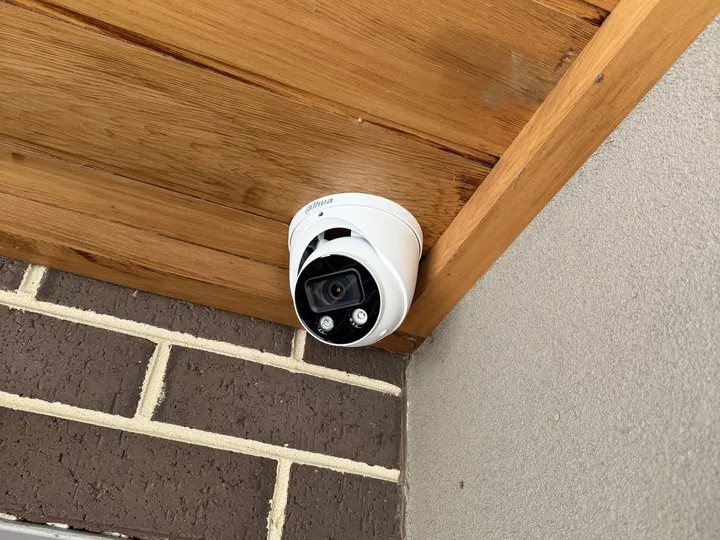
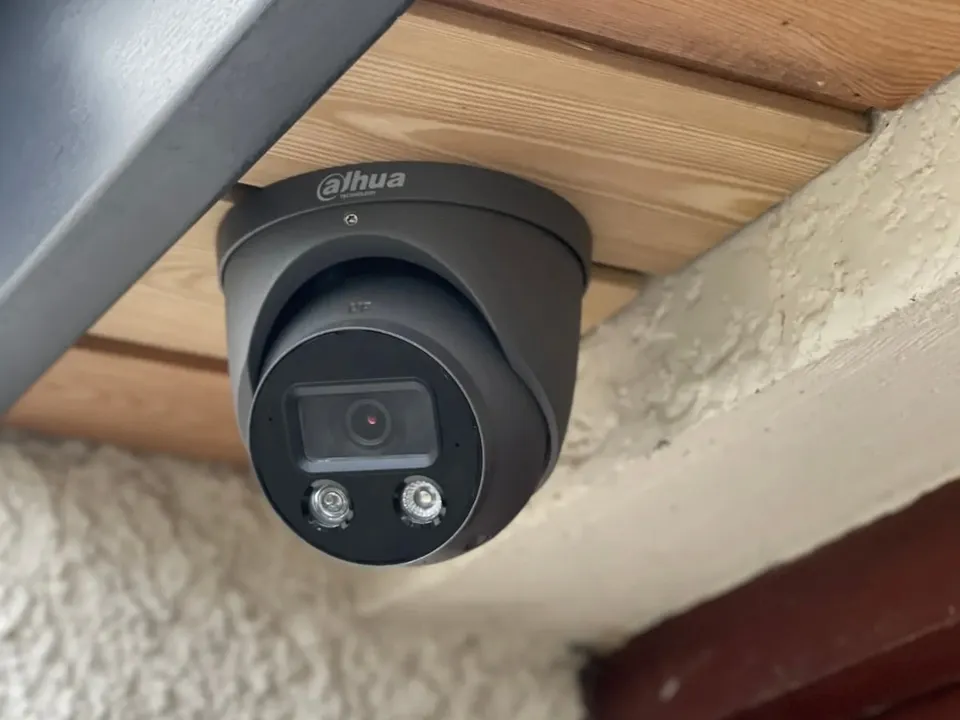
The cameras we fit: compact turrets with colour night vision, tucked under the eave -
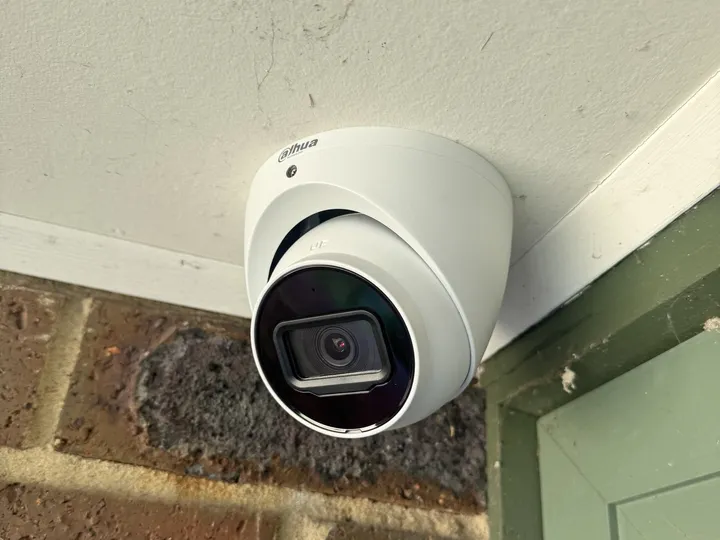
Mounted at the entry corner, cable hidden in the roof, nothing on the outside wall -
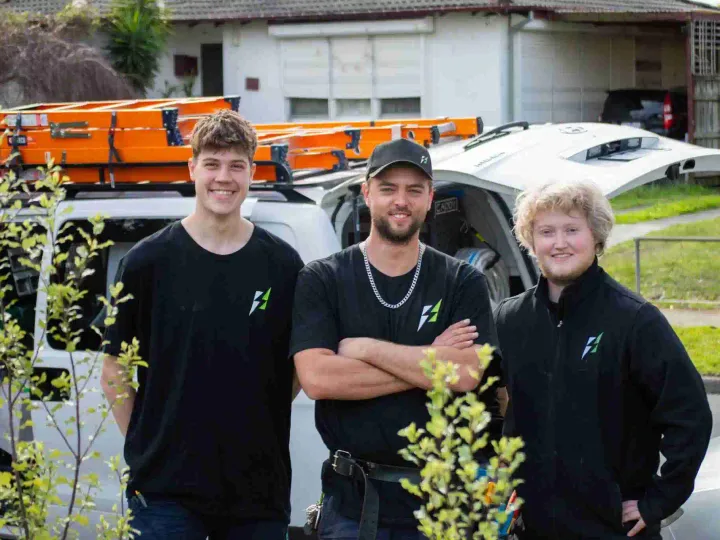
Nick, Will and Josh, Frankston-based electricians who do the whole job themselves -
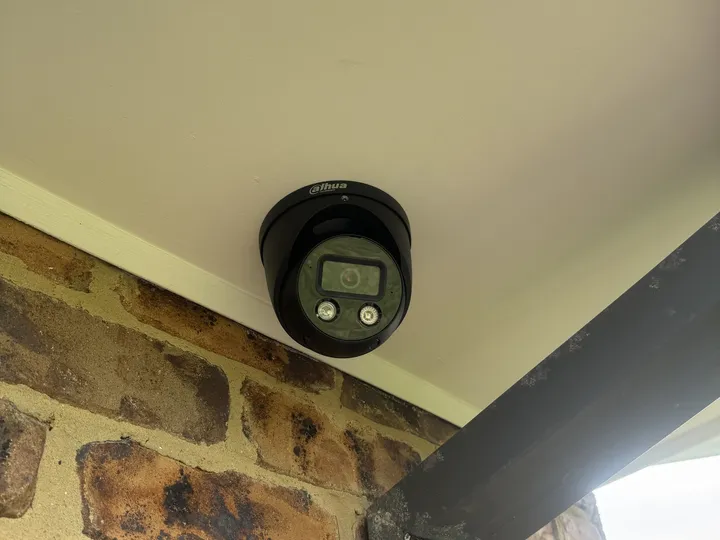
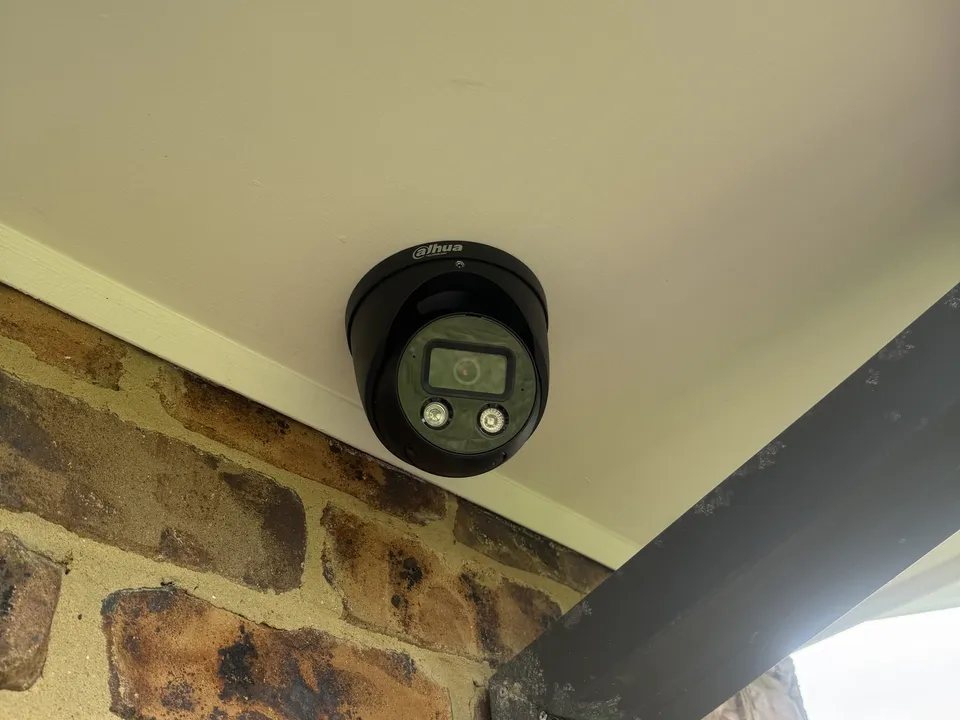
Black housings where the eave is dark, so the camera doesn’t shout
★★★★★
“CCTV install of a PoE ubiquiti system. Very reasonable quote, good communication prior. They arrived when they said they would and did a great job. They also followed up, came back and rectified slight issue with install with camera placement. No complaints at all, they’re a good team of people, would easily recommend. Thanks”
C Bateman, Google review Read it on Google
See who’s there, wherever you are
Most homeowners want the same three things: to see who’s at the front door, to catch the driveway and the car, and to know what’s happening in the back yard. Four to six well-placed cameras cover that, with live view and alerts on your phone and footage you can scrub back through when something happens.
We fit hard-wired turret cameras, most with colour night vision. One cable to each camera carries power and footage, run through the roof so nothing is stuck to the outside of the house, and everything records to a recorder inside your home. No Wi-Fi dropouts, no batteries to charge, no monthly fee.
We’re Frankston-based electricians, so running cable neatly through a roof is what we do every day. We walk the property with you first, give you a fixed price, and set the app up on your phone before we leave.
What you get
-
Front door at face height
Positioned to identify a face at the door, not the top of a head from three metres up.
-
Driveway and the car
Angled to catch who walks up and what pulls in, number plates included.
-
Back yard and side gate
The approaches a burglar actually uses, covered without pointing at the neighbours.
-
Live view and alerts on your phone
See every camera from anywhere, get a notification when someone’s there, and find footage in seconds.
-
Footage you can use at night
Cameras chosen for low light, positioned so your sensor lights help rather than blind them.
-
No monthly fee
Records to a recorder in your home with weeks of storage. The footage is yours, and so are the logins.
Home setups we do most
Five setups cover nearly every home we’re asked about, from a front door and driveway to the whole block.
-
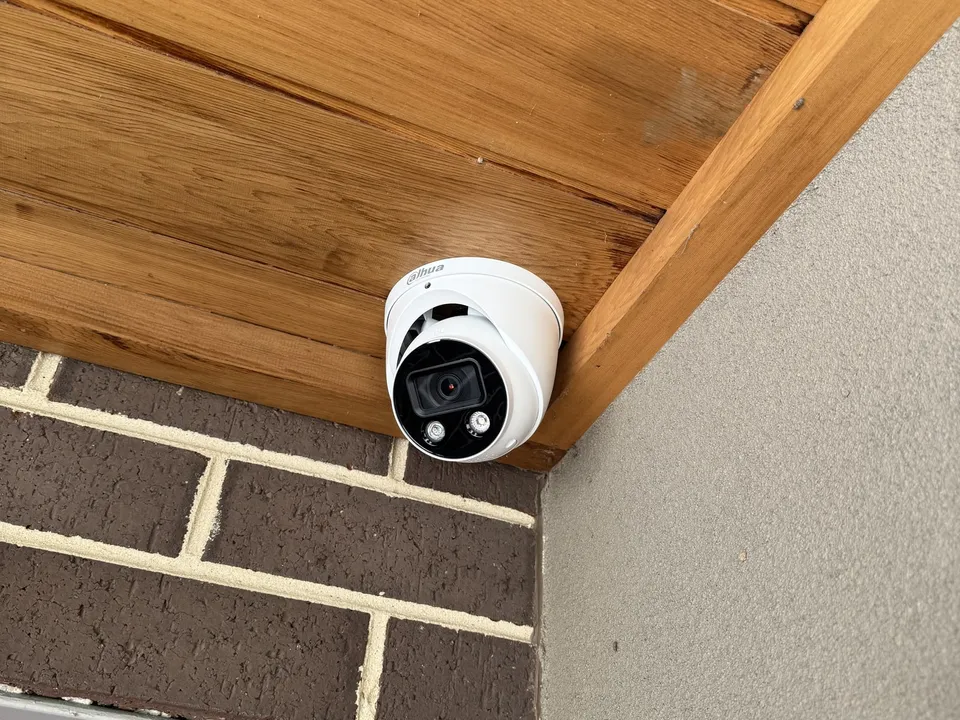
The whole house, four to six cameras
The standard home setup: front door, driveway, rear yard and side access.
- Front door camera at face height for identification
- Driveway angle chosen to catch plates, not roofs
- Rear and side coverage for the obvious approaches
- Recorder hidden and the app set up before we go
-
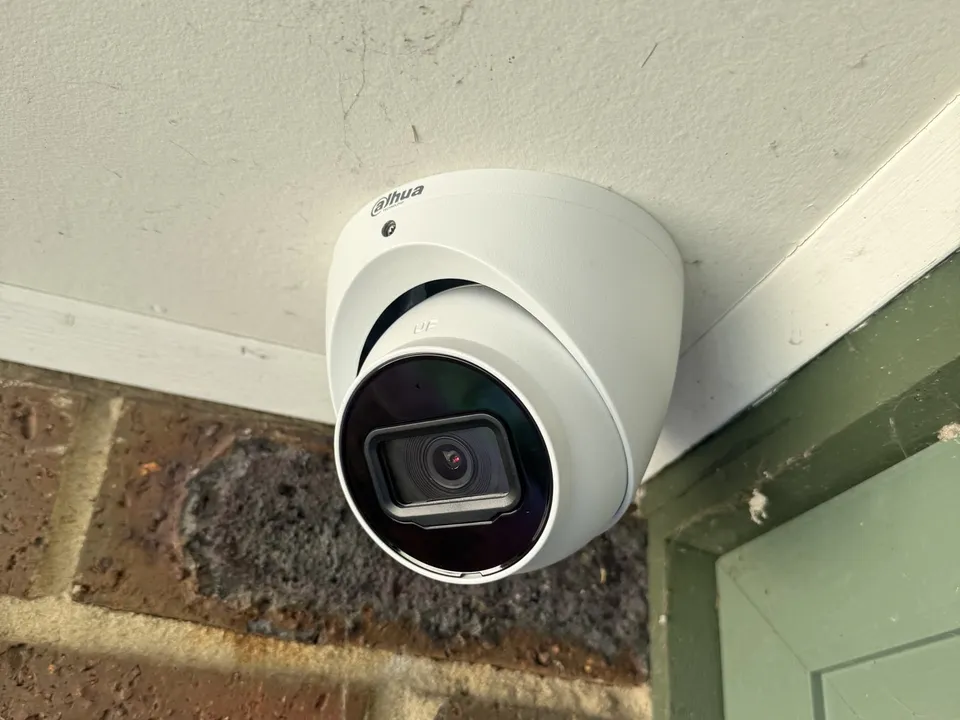
Front door and driveway to start
Two or three cameras where they matter most, with spare channels to add more later.
- Entry and driveway covered first
- Recorder sized so cameras can be added later
- Same cabling standard as a full system
- Usually done in half a day
-
Replacing a wireless kit
Very common. The battery or Wi-Fi cameras come down and hard-wired units go up, with the cable run properly.
- Existing positions reused where they actually work
- Cable run through the roof, nothing on the outside wall
- Old kit removed and taken away
- Usually completed in a single day
-
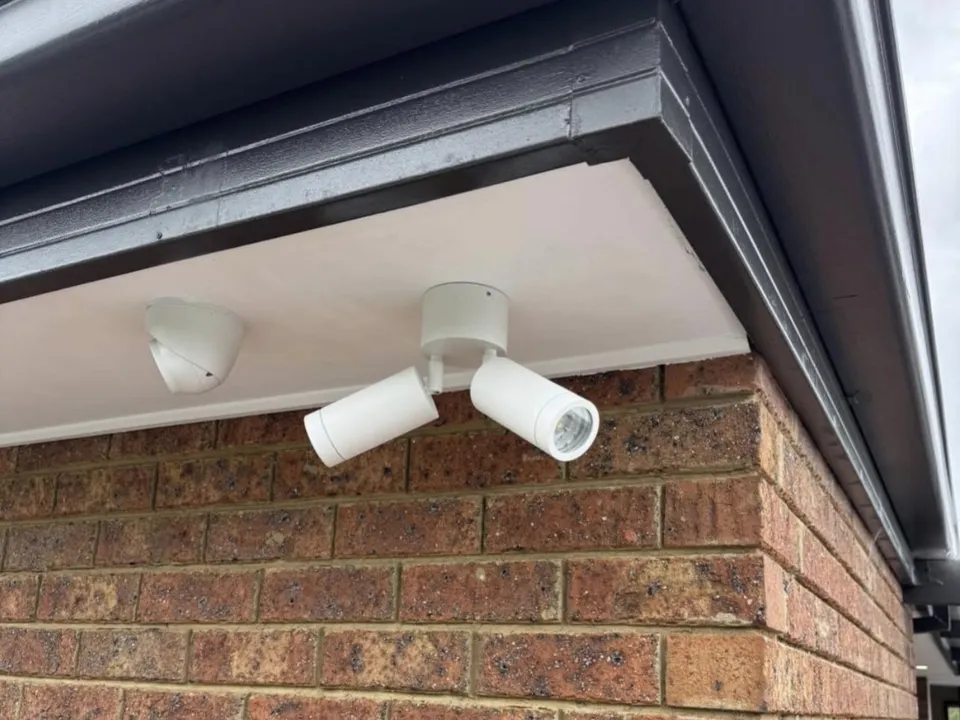
Cameras with sensor lighting
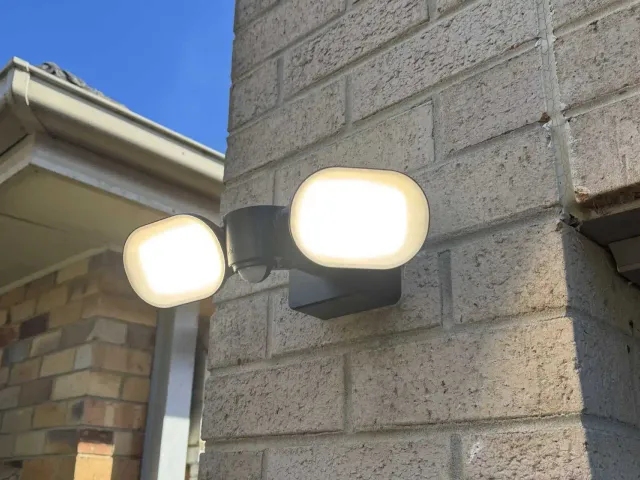
Cameras and sensor lights planned together, so the lights help the footage instead of blinding the lens.
- All cabling run in one visit while access is easy
- Sensor lights aimed to light the scene, not the camera
- Lights and cameras planned as one system
- One electrician for the lot
-
Adding cameras to what you have
Extra cameras onto a recorder with spare channels, usually the cheapest way to improve coverage.
- Recorder checked for spare channels first
- New cameras matched to the existing system
- Cable run to the same standard as the original
- Recording and retention reviewed while we’re there
What we install to
If you’re comparing quotes, it’s worth checking what each installer is allowing for. Here’s our standard.
- Cabling
- Hard-wired Cat6 to every camera, power and footage on one cable
- Cable route
- Through roof and wall cavities, never surface mounted
- Recorder
- Sized for weeks of footage, kept out of sight
- Camera position
- Identification at entry points, not general views
- Camera choice
- Low-light performance ahead of headline resolution
- Network
- Configured without opening your router up more than it needs
- Handover
- App set up on your phone, every login given to you in writing
Signs your current cameras aren't doing their job
What we find when we’re called out to replace a system.
- Night footage where you can see someone was there but not who
- Cameras that dropped off the Wi-Fi and nobody noticed for weeks
- A recorder that only holds three or four days of footage
- Cameras mounted too high, giving you the top of a head and no face
- The recorder sitting in plain sight, first thing a burglar takes
- A subscription that quietly went up and now costs more than the cameras did
What's in scope
Included
- Site walk and camera positioning with you
- All cameras, recorder, cable and mounting hardware
- Cable runs through roof and wall cavities
- Network configuration and remote access setup
- Phone app set up and demonstrated on your device
- Handover walk-through with logins in writing
Not included
- Internet or router upgrades where your connection won't support remote viewing
- Monitoring subscriptions, which we don't sell
- Patching and painting where a cable has to enter a finished wall
- Monitored alarm connection, which is a separate service
How the job runs
-
Step 1: Site walk
We walk the property with you, because positions are the whole job.
-
Step 2: Fixed quote
Cameras and install priced together, before anything is ordered.
-
Step 3: Cable & mount
Cat6 run through the roof, cameras mounted and terminated.
-
Step 4: Set up
Recorder configured, network connected, retention set properly.
-
Step 5: Show you
App on your phone, how to find footage, logins handed over.
Your cameras and your neighbours
Cameras pointing at your own property are your business. Cameras that take in a neighbour’s yard or windows bring privacy into it, so we talk through angles at the site walk and position them to cover what’s yours. Any prescribed electrical work comes with a Certificate of Electrical Safety.
- Camera angles reviewed with you at the site walk
- Coverage kept to your own property where practical
- Neighbouring windows and yards avoided by design
- Footage stays in your home, on your recorder
- Certificate of Electrical Safety on any prescribed work
- All logins and admin access handed over to you
Recent installs
-
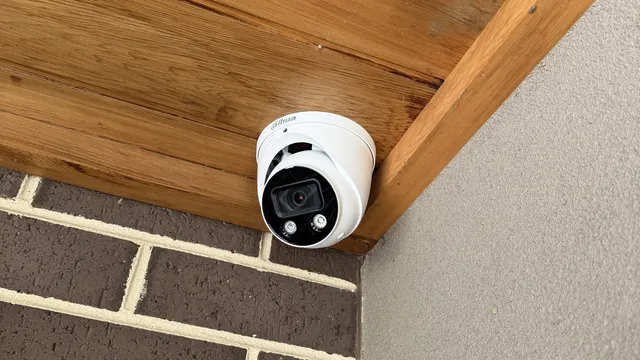
Turret camera under a timber-lined eave
-
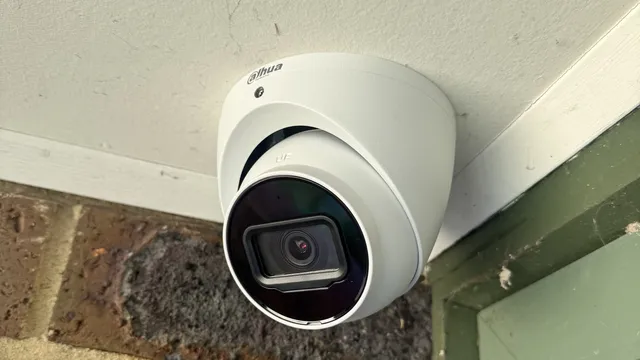
Entry corner, cable hidden in the roof
-
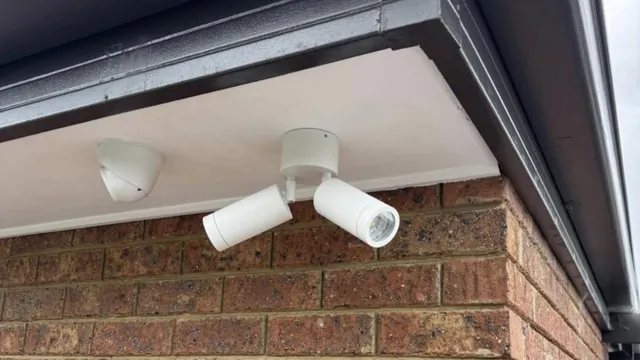
Camera and sensor lights fitted together
-
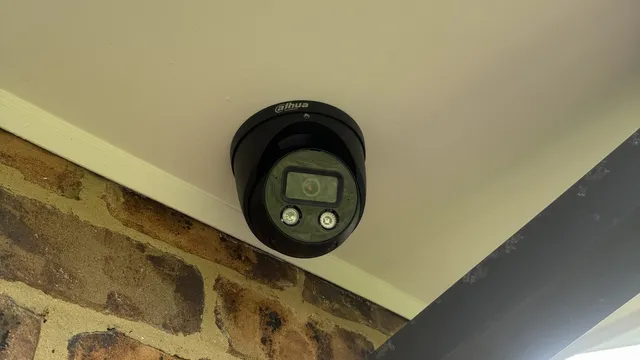
Black housing to suit a dark eave
Why choose Streamline
-
Electricians, not retailers
Running cable neatly through a roof is what we do all day.
-
No monthly fee
Footage records locally to your recorder and it belongs to you.
-
Positioned to identify
Four cameras in the right places beat eight in the wrong ones.
-
Logins are yours
Handed over in writing, so you're never locked out of your own system.
What our customers say
-
CCTV install of a PoE ubiquiti system. Very reasonable quote, good communication prior. They arrived when they said they would and did a great job. They also followed up, came back and rectified slight issue with install with camera placement. No complaints at all, they’re a good team of people, would easily recommend. Thanks
-
Nick & his apprentice came out to fix a faulty power socket. They kept me informed on when they would arrive, they fixed the problem no worries and even followed up to check I was happy with the job. From my initial call to reception to the completion of the job I couldn't be happier with their service. Thank You!
-
Excellent service, very knowledgeable. Happy and goes the extra mile for you. Can’t recommend them enough. Will be using them again very soon. If you need an electrician use this one.
-
Very happy with the service from streamline electrical. Nick did a great job, very thorough and checked in regularly to make sure it matches my expectations. Would happily recommend.
-
Nick was punctual, friendly & helpful. He answered all my questions while on site & was quick to respond to my follow up queries.
-
I would recommend Streamline to anyone putting on solar panels coupled to a battery. Nick and his experienced team of three work closely together to get the maximum benefit for the customer and readily offer advice on any aspect of the installation before and after. Excellent workmanship. Graeme Black Rock.
Home CCTV in Frankston and on the Mornington Peninsula
Streamline Electrical & Data is a Frankston-based team working across the Mornington Peninsula and south-east Melbourne. Cameras are one of the few jobs where the install matters more than the product, which is why we’d rather spend twenty minutes on positioning than sell you a bigger box.
Why hard-wired beats wireless at home
Wireless cameras depend on two things that both fail: a Wi-Fi signal reaching the far corner of the property, and a battery someone remembers to charge. Hard-wired cameras get power and footage down one cable, so they’re online permanently and they don’t fade over a winter. The cable is the reason to use an electrician rather than a security retailer, because running it neatly through a roof is exactly what we do all day.
Positioning beats resolution
A 4K camera mounted three metres up gives you a beautiful image of the top of someone’s head. A well-positioned camera at face height by the front door gives you something the police can use. We’d rather sell you four cameras in the right places than eight in the wrong ones, and the site walk is where that gets decided.
Lighting and cameras together
Cameras and sensor lighting have to be planned together, because a floodlight pointing back at a lens ruins the footage it was meant to help. Where we’re doing both, the lights get positioned to light the scene rather than blind the camera, and that costs nothing extra if it’s decided before anything goes up.
Doing it while other work is happening
Cable is cheap when the ceiling is already open and expensive when it isn’t. If you’re having a renovation, solar or smart-home work done, that’s the moment to run camera cable too, even if the cameras themselves come later.
Cameras for a shop, office or warehouse?
This page is about homes. We fit cameras for businesses too, planned around entries, tills and stockrooms with signage sorted before the install. Start from our Security & Safety page or give us a call.
Frequently asked questions
How many cameras do I need?
Can I check the cameras on my phone when I’m away?
How long is footage kept?
Is there a monthly subscription?
Will cameras work at night?
How much mess does the install make?
Can you add cameras to my existing system?
Do I need internet for the cameras to work?
Related services
Sensor and security lighting
Sensor lights positioned to work with your cameras, not against them.
ExploreSmart home installation
Smart switches, lighting scenes, sensors and app control that actually work day to day.
Explore