
Safety Switch Installation Frankston
The component that stops an electric shock becoming something worse. Fitted per circuit, trip times measured, and a certificate on completion.
- 4.9 Google Rating
- Licensed & insured
- Time on site Often same day
- Trip times Measured and recorded
- Certificates COES supplied
What a safety switch actually does
A safety switch, or RCD, monitors the flow of electricity through a circuit and quickly cuts the power if it detects current leaking to earth. It’s designed to reduce the risk of electric shock.
That’s different from a standard circuit breaker or fuse, which protects the wiring from overload. Because the devices can look similar inside a switchboard, plenty of homeowners aren’t actually sure what protection they have.
We fit safety switches across the south-east, either as individual RCBOs on each circuit during a board upgrade, or added to an existing board where there’s room. Fixed price, measured trip times, certificate on completion.
What's in a safety switch installation
-
Board assessment
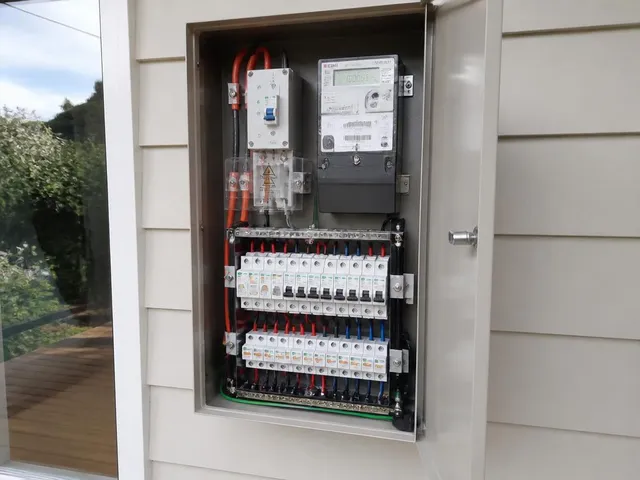
We open the board, see what protection exists and check whether it can take what you need.
-
Individual RCBOs
One per circuit rather than one across the house, so a fault in the shed doesn't kill the fridge.
-
Circuit identification
Each circuit traced and confirmed, because a board labelled in biro from 1988 is rarely accurate.
-
Trip time testing
Trip times are measured with the correct test equipment and recorded to confirm the device is operating as it should.
-
Labelling
Printed schedule inside the door, so you know which switch is which.
-
Certification
Certificate of Electrical Safety in your name, with test results on file.
Installs we do most
Six situations cover nearly every safety switch job we’re called to.
-
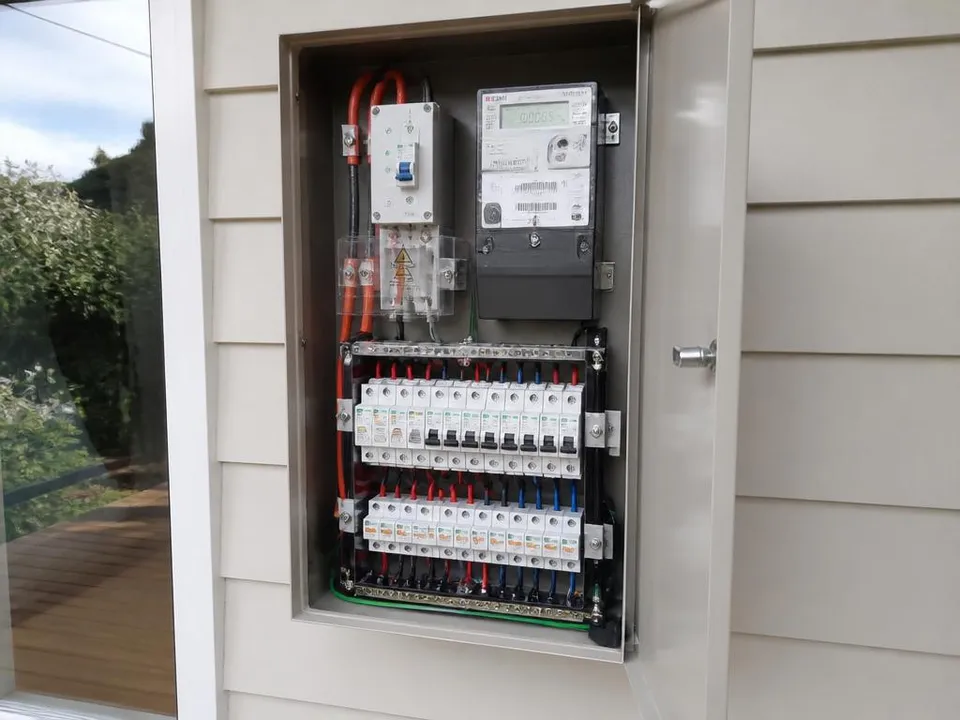
No RCD protection at all
Older boards with fuses or plain breakers and no earth leakage protection anywhere in the house.
- Highest priority version of this job
- Board assessed for whether RCBOs can be retrofitted
- Full replacement quoted where they can't
- Every circuit traced and identified first
-
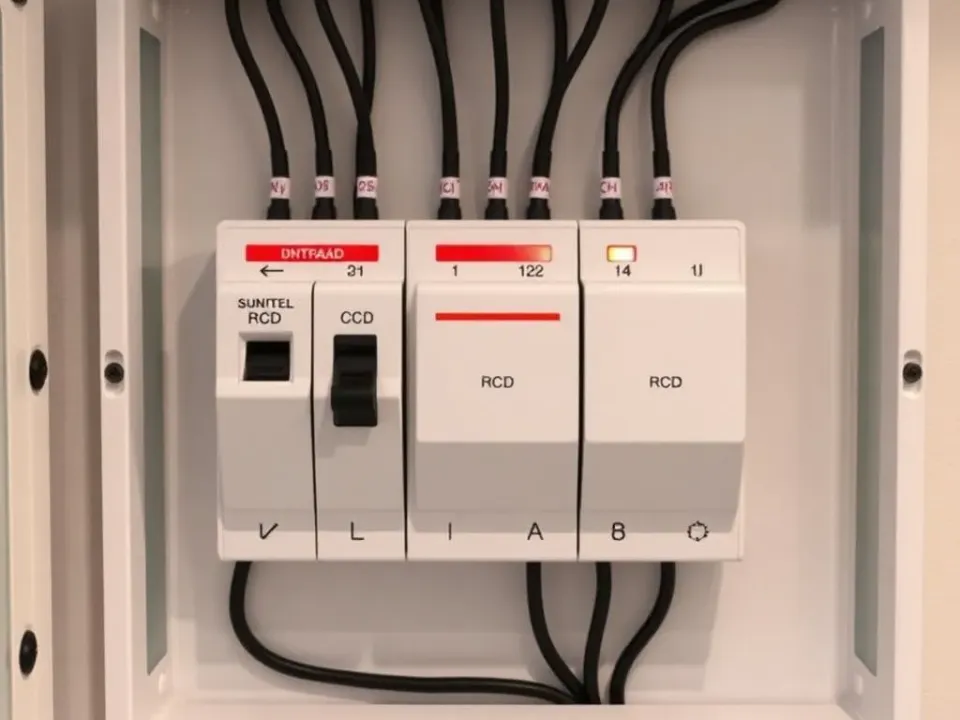
One shared RCD
Very common in houses built or rewired in the late nineties and early two thousands.
- Converted to individual RCBOs per circuit
- Shared neutrals separated as we go
- One faulty appliance no longer blacks out the house
- Each device tested and recorded separately
-
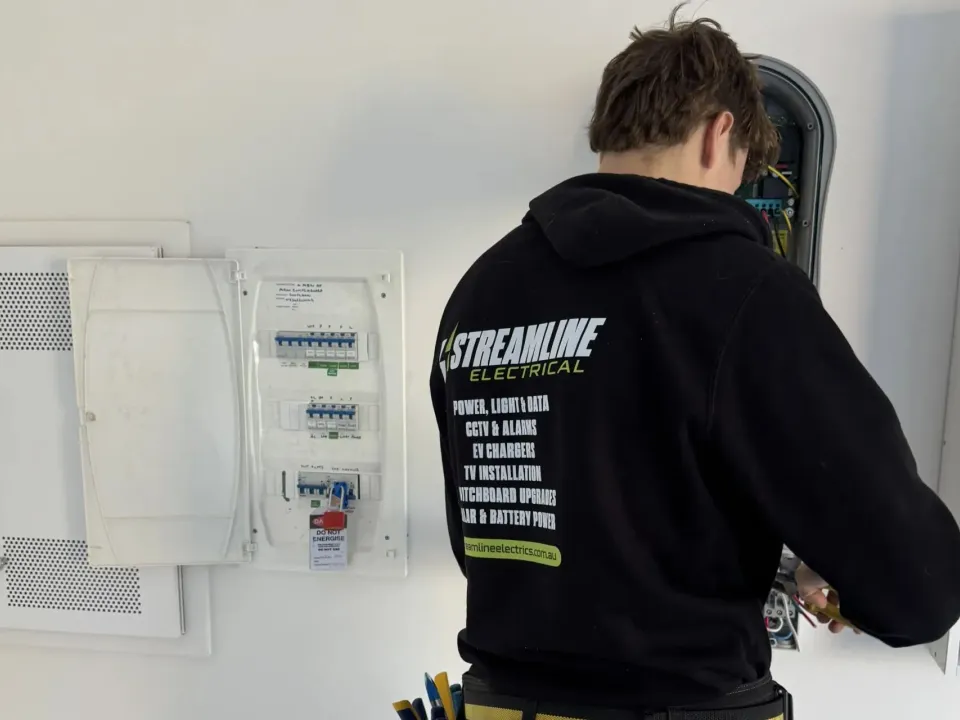
Partial protection
Power circuits protected but lighting circuits not, which was allowed under older rules.
- Lighting circuits brought up to the same standard
- Existing protected circuits verified rather than assumed
- Board capacity checked for the extra devices
- Schedule reprinted to reflect the new layout
-
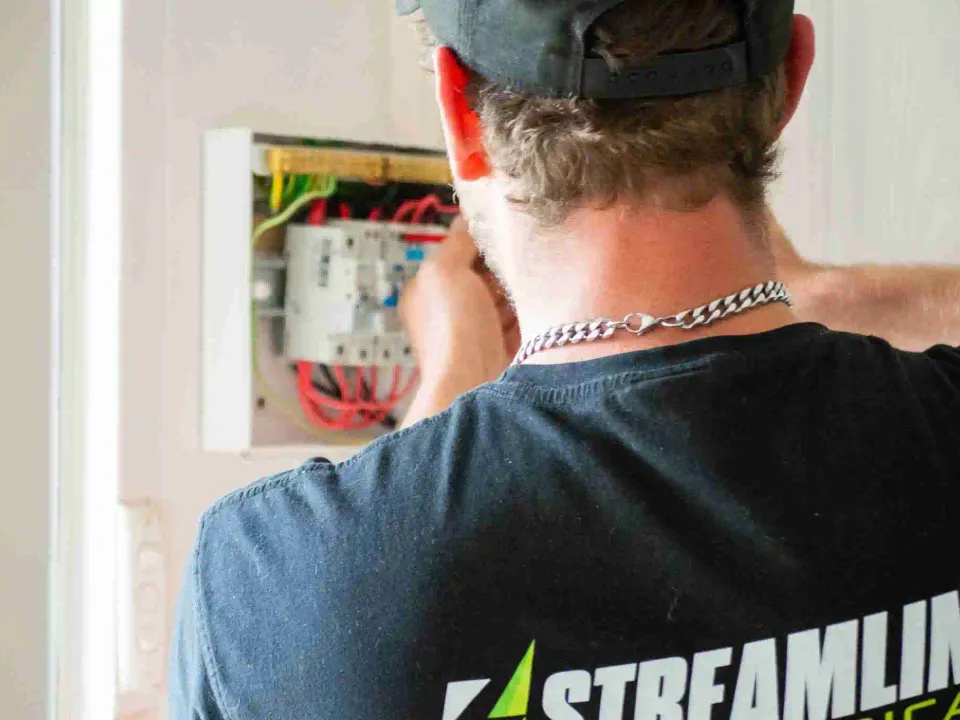
Nuisance tripping
An RCD that trips for no obvious reason, usually because it’s detecting something real.
- Fault located rather than the RCD removed
- Outdoor and shed circuits checked for moisture
- Appliances eliminated one at a time
- Device replaced only if it's actually faulty
-
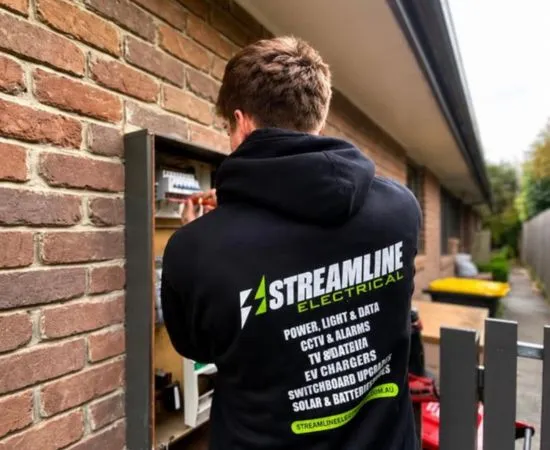
Rental compliance
Properties facing the two-yearly safety check, where RCD protection gets looked at.
- Protection brought up to current expectations
- Trip times documented for the check
- Tenant access coordinated through the agent
- Done alongside the wider safety check in one visit
-
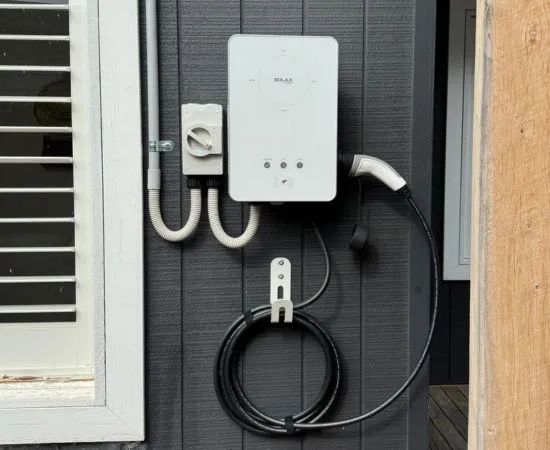
New circuits
Any circuit we add gets its own RCBO as standard, whatever it’s feeding.
- RCBO fitted as standard on every new circuit
- Cooktop, EV and shed circuits protected individually
- Spare capacity confirmed before the work starts
- Added to the printed schedule as we go
What we install to
If you’re comparing electricians, here’s what our work includes.
- Device type
- Individual RCBOs rather than one whole-house RCD
- Neutrals
- No shared neutrals across the board
- Coverage
- Both power and lighting circuits protected
- Testing
- Trip times measured with a calibrated instrument
- Labelling
- Printed circuit schedule inside the board door
- Handover
- Test button demonstrated to you before we leave
- Certification
- Certificate of Electrical Safety issued on completion
Signs you need safety switches
What we look for when we open a board.
- There are no RCDs at all, only fuses or plain breakers
- One RCD covers every circuit in the house
- Lighting circuits have no protection while power circuits do
- An RCD is there but the test button does nothing
- Someone has bypassed or removed an RCD because it kept tripping
- The board is ceramic-fuse, which can't take RCDs at all
What's in scope
Included
- Supply and installation of RCBOs or RCDs
- Every circuit traced and identified
- Trip times measured and recorded
- Printed labelling schedule inside the door
- Test button demonstrated before we leave
- Certificate of Electrical Safety issued
Not included
- Repairs to circuit faults the new RCD exposes
- Board replacement where devices can't be retrofitted
- Consumer mains work, priced separately
- Asbestos backing board removal, quoted if present
How the job runs
-
Step 1: Site visit
We check inside your board in person before quoting.
-
Step 2: Fixed quote
What protection you have and what it costs to fix, given on the spot.
-
Step 3: Power off
A couple of hours while circuits are traced and devices fitted.
-
Step 4: Test & record
Trip times measured on every device and written down.
-
Step 5: Show you
We press every test button with you there, so you know what to expect.
Compliance and sign-off
Safety switch work is prescribed electrical work and comes with a Certificate of Electrical Safety. We also record measured trip times rather than relying on the test button, because the button only confirms the mechanism moves, not that it moves fast enough.
- Certificate of Electrical Safety issued in your name
- Trip times measured with a calibrated instrument
- Results recorded and supplied for rental checks
- Every circuit traced and confirmed before connection
- Printed schedule inside the board door
- Test procedure demonstrated to you at handover
Recent work
-
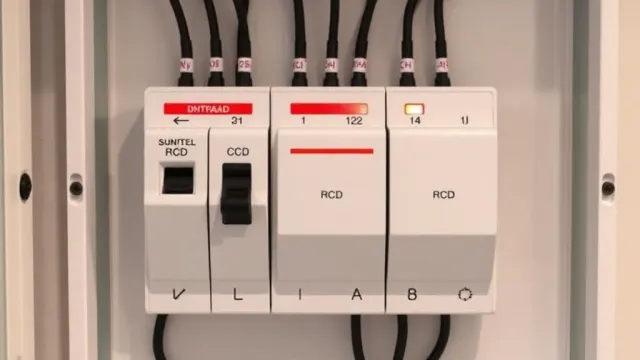
RCBO conversion · Frankston South
-
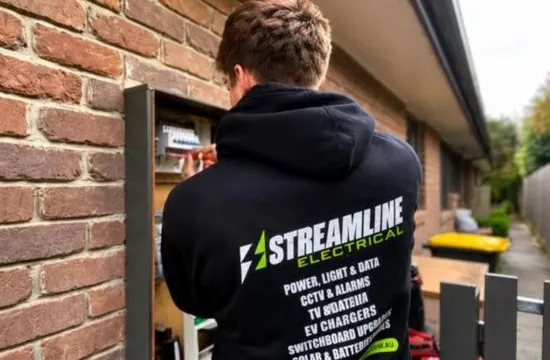
Rental compliance · Cranbourne
-
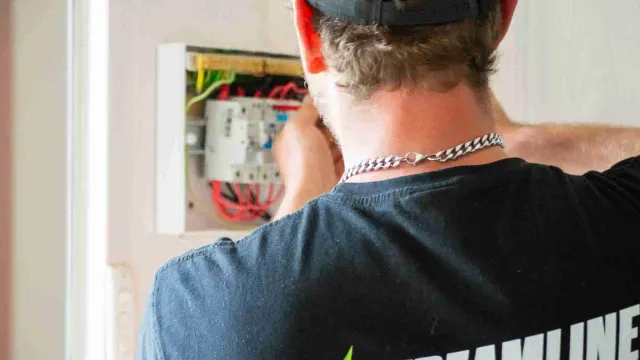
Nuisance trip fault found · Seaford
-
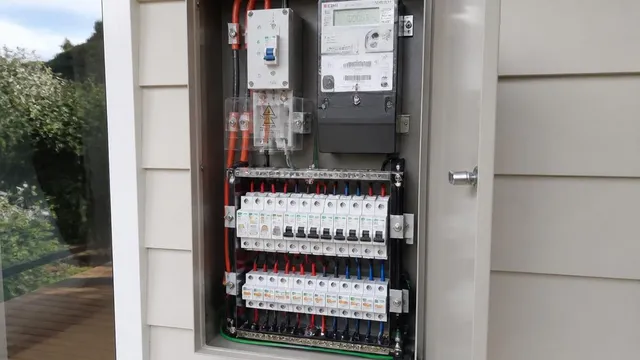
New circuit protection · Baxter
Why choose Streamline
-
One per circuit
A fault in the shed doesn't take out your fridge, lights and internet.
-
Trip times measured
We prove the protection works, rather than just that it's installed.
-
We find the fault
If your RCD keeps tripping, we locate the cause rather than removing it.
-
Shown how to test
You'll know which button to press and how often before we leave.
Safety switches for Frankston homes and rentals
Streamline Electrical & Data is a Frankston-based team working across the Mornington Peninsula and south-east Melbourne. This is the cheapest meaningful safety improvement most houses can make, which is why we talk about it more than the job size warrants.
A circuit breaker is not a safety switch
This is the misunderstanding we correct most often. A circuit breaker protects the wiring from carrying too much current. A safety switch protects a person from current leaking to earth. They look similar in the board, they sit next to each other, and they do entirely different jobs. If your board has breakers and no RCDs, the wiring may be protected from overload without the additional protection an RCD provides against electric shock.
Why individual RCBOs beat one big RCD
A single RCD across the whole house means one faulty kettle blacks out the fridge, the alarm, the router and every light at once, usually at night. That’s exactly the setup that leads to someone taping the switch up or having it removed. Individual RCBOs isolate the problem circuit and leave everything else running, so the protection stays in place rather than being worked around.
When your RCD keeps tripping
A nuisance trip is nearly always the RCD doing its job on a real fault. Wet outdoor outlets after rain, an ageing hot water element, a failing appliance, or moisture in an old cable. The right response is to find the fault rather than remove the protection, and it’s usually an hour’s work once someone tests properly.
Rentals and the two-yearly check
RCD protection forms part of the Victorian rental electrical safety check. If you’re managing a property with none, expect it to be flagged, and expect the smoke alarms to come up in the same visit. Doing both together is cheaper than two call-outs and gets the paperwork done in one go.