
Switchboard Upgrades in Frankston
Old ceramic fuses replaced with a proper board, RCD protection on every circuit, and a certificate to prove it. Usually done in a day.
- 4.9 Google Rating
- Licensed & insured
- Time on site Usually one day
- Power off for A few hours, not all day
- Certificates COES supplied
Nobody wakes up wanting a new switchboard
It arrives as a side effect of something else. The solar installer says the board won’t take the inverter, the air conditioning bloke needs a spare way, or the power goes off for the third time this month and you’re standing in the hallway with a torch trying to work out which ceramic fuse has gone.
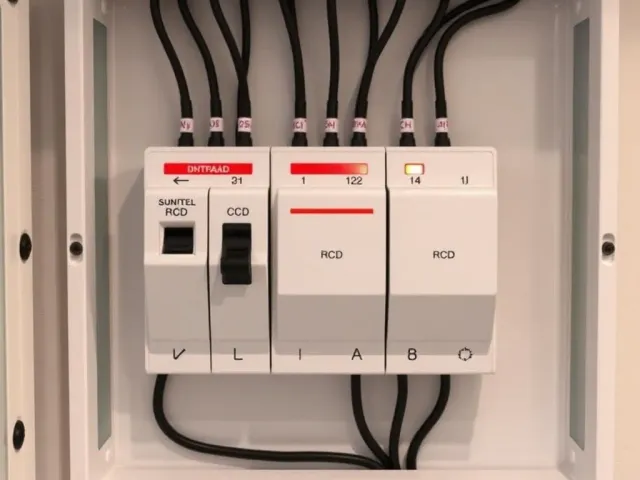
It’s not an exciting thing to spend money on, but the switchboard is where the electrical protection for your home sits. Older boards can lack the RCD protection and capacity that modern homes need, and a rewireable ceramic fuse board will not trip on an earth fault at all.
We replace boards across Frankston and the south-east, usually in a day, with the power off for a few hours rather than the whole time. Fixed price agreed before we start, and a Certificate of Electrical Safety in your name when we’re done.
What’s in a switchboard upgrade
-
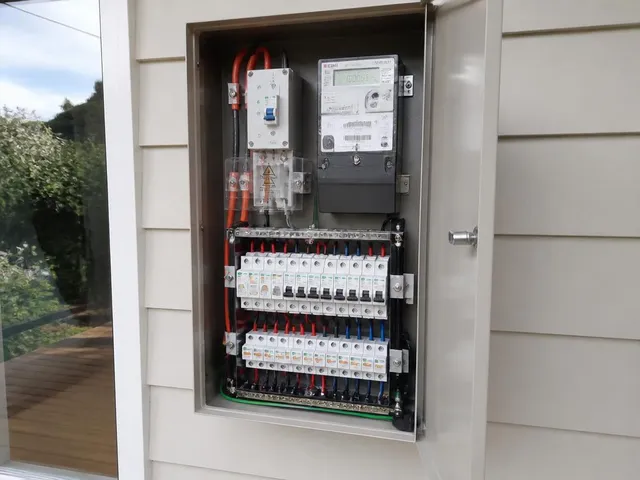
New enclosure
A modern board sized for your current electrical load, with room for future circuits.
-
RCBOs on every circuit
Individual protection, so a fault in the kitchen doesn’t take the lights out across the whole house.
-
Main switch & surge
A properly rated main switch, plus surge protection where you’ve got solar or a home office.
-
Circuit labelling
Every circuit traced, tested and labelled with a printed schedule inside the door.
-
Consumer mains check
We check the incoming mains too, because a new board on an undersized cable solves nothing.
-
Testing & certification
Full testing, RCD trip times verified, and a Certificate of Electrical Safety in your name.
Upgrades we do most
Most boards we replace fall into one of these six. Here’s what each usually involves.
-
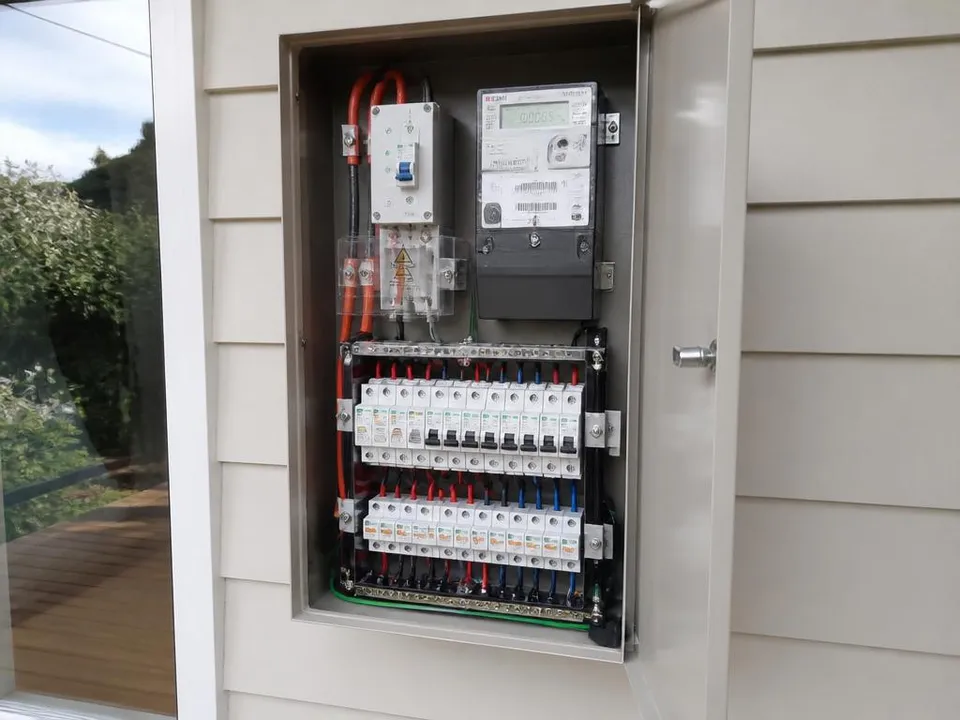
Ceramic fuse boards
Porcelain fuse carriers with rewireable fuse wire and no earth leakage protection at all.
- Full replacement, since RCDs can’t be retrofitted to fuses
- Every circuit traced and identified as it goes back in
- Asbestos backing board checked and handled properly
- RCD protection added across every circuit
-
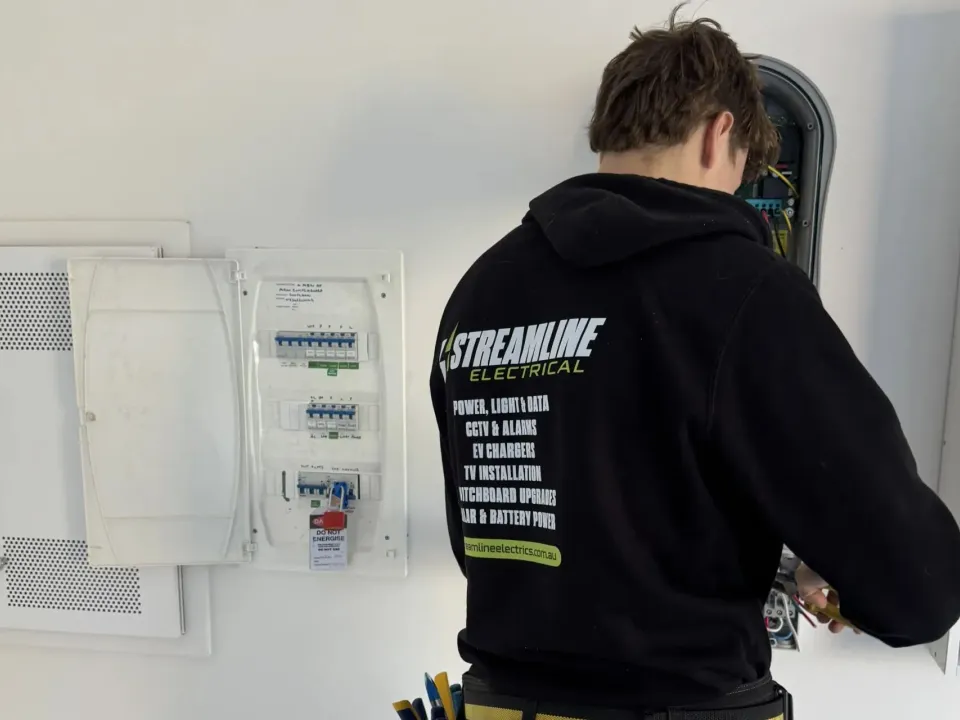
Boards with no spare ways
Full boards, which is the most common trigger for an upgrade in an otherwise sound house.
- New enclosure sized with spare ways for later
- Existing circuits carried across and re-protected
- Room left for solar, EV and air conditioning
- Usually cheaper than adding circuits twice
-
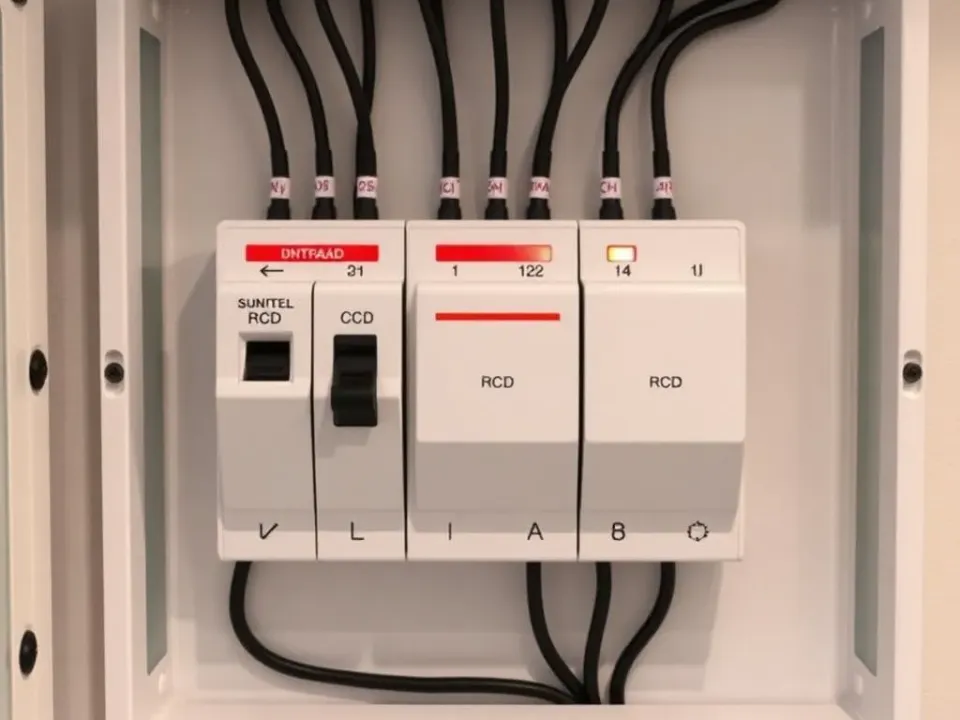
One shared safety switch
Common in early 2000s houses, where a single RCD covers everything in the place.
- Converted to individual RCBOs per circuit
- No shared neutrals across the board
- A faulty appliance no longer blacks out the house
- Trip times measured and recorded per device
-
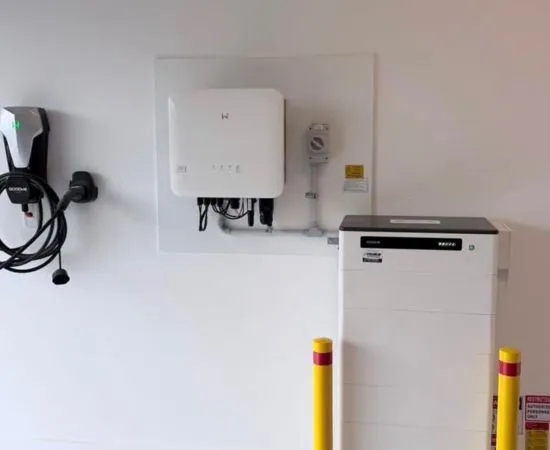
Pre-solar and pre-EV
Both need a dedicated circuit and often more capacity than the existing board has.
- Load assessed before the installer books in
- Dedicated circuit and isolation provided
- Surge protection added for the inverter
- Metering coordination with the distributor
-
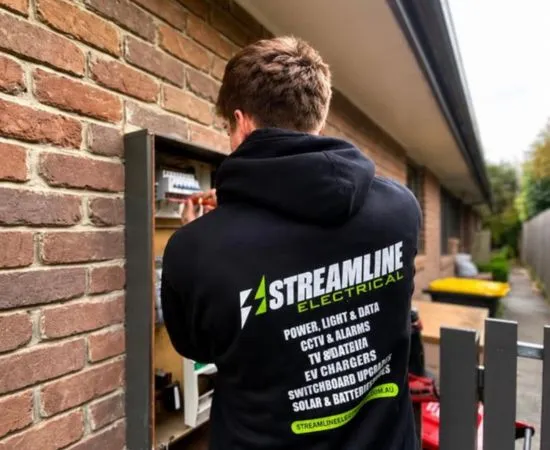
Rental and pre-sale
Properties facing a safety check or a buyer’s inspection, where an old board gets flagged.
- RCD protection brought up to current expectations
- Board upgrade and safety check done in one visit
- Documentation your property manager will accept
- Tenant access coordinated through the agent
-
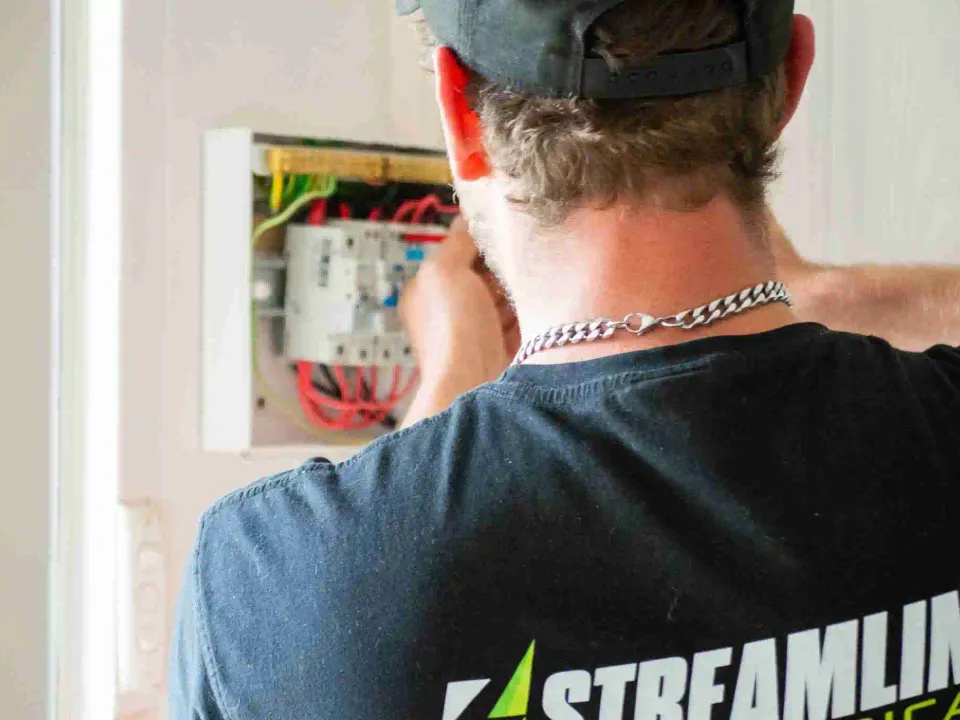
Storm and fault damage
Water in the board, heat damage on the busbar, or scorching around a connection.
- Made safe first, then assessed properly
- Honest repair-or-replace advice, not an automatic replacement
- Underlying circuit fault found rather than just reset
- Insurance documentation supplied where you need it
What we install to
This is how we approach every board we replace.
- Circuit protection
- Individual RCBOs, no shared neutrals, no single whole-house RCD
- Spare capacity
- Spare ways left in the board for future circuits
- Main switch
- Rated to your supply and phase count
- Surge protection
- Fitted where solar or sensitive equipment is present
- Consumer mains
- Checked, and flagged if undersized for the load
- Labelling
- Printed circuit schedule inside the door
- Testing
- RCD trip times measured and recorded, COES issued
Signs your switchboard needs upgrading
Common findings when we open a board for the first time.
- Ceramic fuses with rewireable fuse wire, or something that isn’t fuse wire
- No RCD or safety switch anywhere on the board
- One RCD covering the entire house
- No spare ways left, so nothing new can be added
- Scorch marks, a burnt smell, or a board that’s warm to the touch
- Handwritten or missing labelling, so nobody knows what feeds what
What’s in scope
Included
- New enclosure, main switch, RCBOs and all switchgear
- Every circuit traced, tested and identified
- Printed labelling schedule inside the door
- RCD trip times measured and recorded
- Certificate of Electrical Safety issued in your name
- Removal and disposal of the old board
Not included
- Distributor supply upgrades and metering fees, at cost
- Consumer mains replacement, quoted once assessed
- Repairs to faults found on existing circuits
- Patching or painting where the new board footprint differs
How the job runs
-
Step 1: Look at the board
On site, confirming phase count and supply before quoting.
-
Step 2: Fixed quote
A written price, with anything conditional flagged before we start.
-
Step 3: Power off
A few hours mid-job rather than all day, so you can plan around it.
-
Step 4: Trace & test
Every circuit identified, tested and labelled as it goes back in.
-
Step 5: Walk-through
We show you which RCBO is which and hand over the certificate.
Compliance and sign-off
Switchboard work is prescribed work, which means it must be done by a licensed electrician and a Certificate of Electrical Safety must be issued in your name. Keep it. Your insurer may ask for it, and it’s the document a buyer’s conveyancer will want if you sell.
- Certificate of Electrical Safety issued in your name
- RCD trip times measured and recorded, not just tested
- Every circuit identified and labelled on a printed schedule
- Consumer mains assessed and flagged if undersized
- Asbestos backing boards handled to the correct procedure
- Old board removed and disposed of properly
Recent work
-
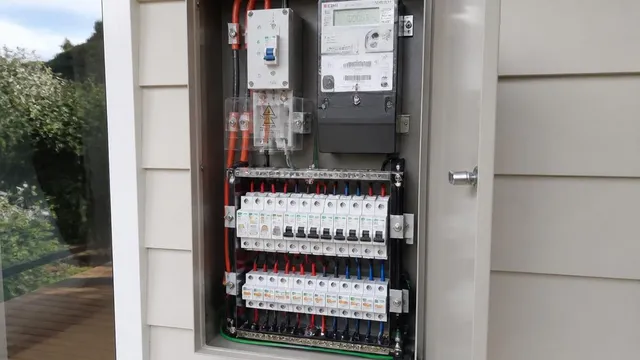
Ceramic fuse replacement · Frankston North
-
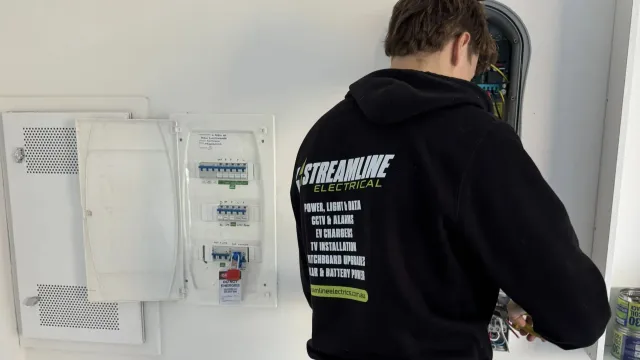
Three phase upgrade · Carrum Downs
-
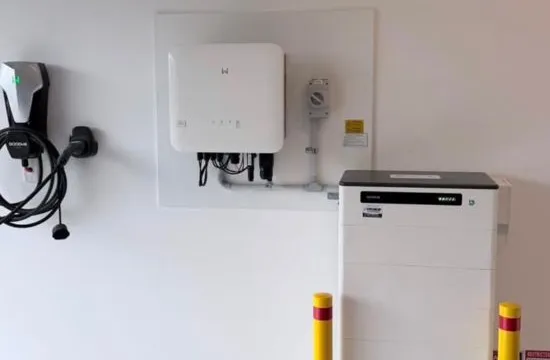
Pre-solar board upgrade · Mornington
-
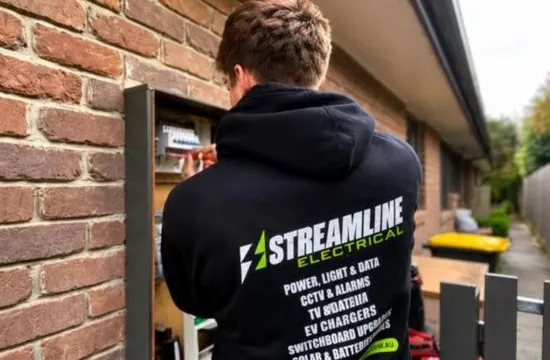
Rental compliance upgrade · Seaford
Why choose Streamline
-
Done in a day
Most boards are replaced in a single visit, with power off for a few hours.
-
Labelled properly
A printed schedule inside the door, so you know what tripped at 11pm.
-
No surprise extras
Asbestos and undersized mains are flagged at quote stage, not on the invoice.
-
Trip times recorded
We measure the protection actually works, rather than just that it exists.
Switchboard upgrades for Frankston and Peninsula homes
Streamline Electrical & Data is a Frankston-based team working across the Mornington Peninsula and south-east Melbourne. Boards are the job we get called to most often as a consequence of something else, so it’s worth understanding when it’s actually urgent.
Why ceramic fuse boards are the priority
A rewireable ceramic fuse protects the cable in the wall from overheating. That is all it does. It has no way of detecting the much more common and more dangerous fault, which is current leaking to earth through a person or a wet appliance. An RCD detects that in around 30 milliseconds. If your board still has ceramic fuses, nothing in your house has that protection, and no amount of care with appliances changes it.
When the board is full and everything is waiting on it
Solar, batteries, EV chargers, split systems and induction cooktops all want a dedicated circuit. A full board turns every one of those into a two-visit job. Upgrading first is usually cheaper overall than paying for the same trade to come back a second time, and it means the solar installer isn’t standing in your driveway telling you he can’t proceed.
Boards, faults and the things they hide
A board that trips regularly is telling you something. Sometimes it’s the board, often it’s a circuit with a fault on it that the old board could not detect and the new one can. That’s worth finding before you assume the new board is faulty, and it’s usually a quick job once someone tests properly rather than guessing at the breakers.
Renting or selling in Victoria
Rental providers have to have a safety check done every two years, and RCD protection is part of what gets looked at. If you’re managing a property in Frankston or Carrum Downs with a 1970s board still in it, the upgrade is coming, and doing it before a check flags it is the calmer option.