
Oven and Cooktop Installation
Hard-wired ovens, induction cooktops and the dedicated circuits they need. Frankston and south-east Melbourne, with a fixed price before we start.
- 4.9 Google Rating
- Licensed & insured
- Lead time Often same week
- Induction cooktops Usually need own circuit
- Certificates COES supplied
The paperwork says installation by a licensed electrician
The oven arrives, and that line in the manual is usually the point someone starts ringing around.
The bit people don’t expect is that a lot of modern appliances need more circuit than the old one did. An induction cooktop in particular draws serious current, and the circuit that ran a 1990s ceramic cooktop very often won’t carry it. That’s a conversation better had before the old one comes out.
We install wall ovens, freestanding electric cookers, induction and ceramic cooktops and rangehoods across Frankston and the south-east, including the dedicated circuits when they’re needed, with a fixed price up front.
What's in an oven or cooktop installation
-
Load check first
We check the rating plate against your existing circuit before anything is disconnected.
-
Disconnect & remove
Old appliance isolated, disconnected and taken away for disposal if you'd like.
-
Dedicated circuit
Run from the board, sized correctly and protected by its own RCBO where needed.
-
Hard-wiring
Terminated properly, with the isolator somewhere you can reach it.
-
Rangehood & extras
Rangehood power and bench outlets tidied up while the cabinetry is open.
-
Testing
Circuit tested, RCD verified, appliance run up before we leave.
Installs we do most
Six appliance jobs cover most of what we’re called out for.
-
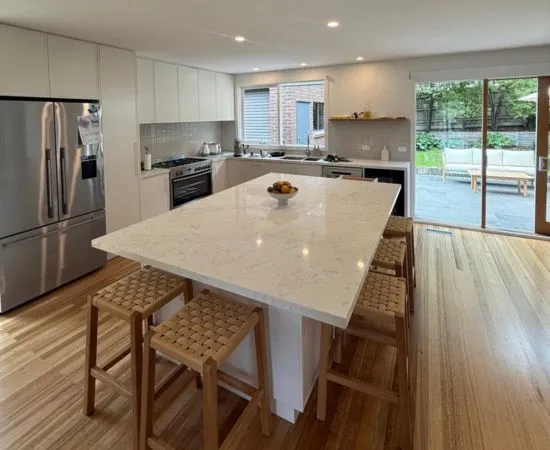
Wall ovens
Straight replacements, provided the new oven’s rating is close to the old one and the cavity fits.
- Rating plate checked against the existing circuit
- Cavity dimensions confirmed before the day
- Accessible isolation switch fitted or reused
- Old unit removed and disposed of
-
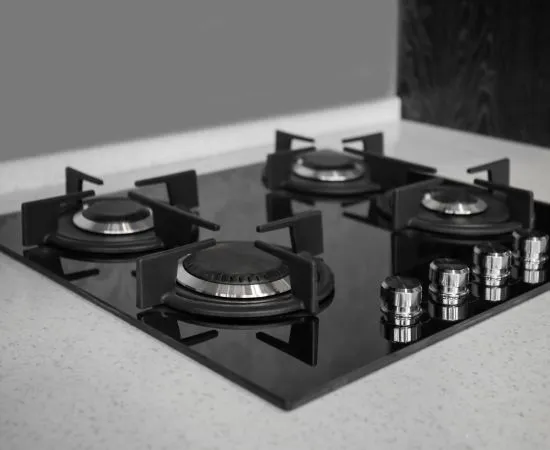
Induction cooktops
The one that most often needs new cabling, because induction draws far more than what it replaces.
- Load calculated across all zones on boost
- Dedicated circuit run and sized to the appliance
- Individual RCBO protection on the new circuit
- Board capacity confirmed before you buy
-
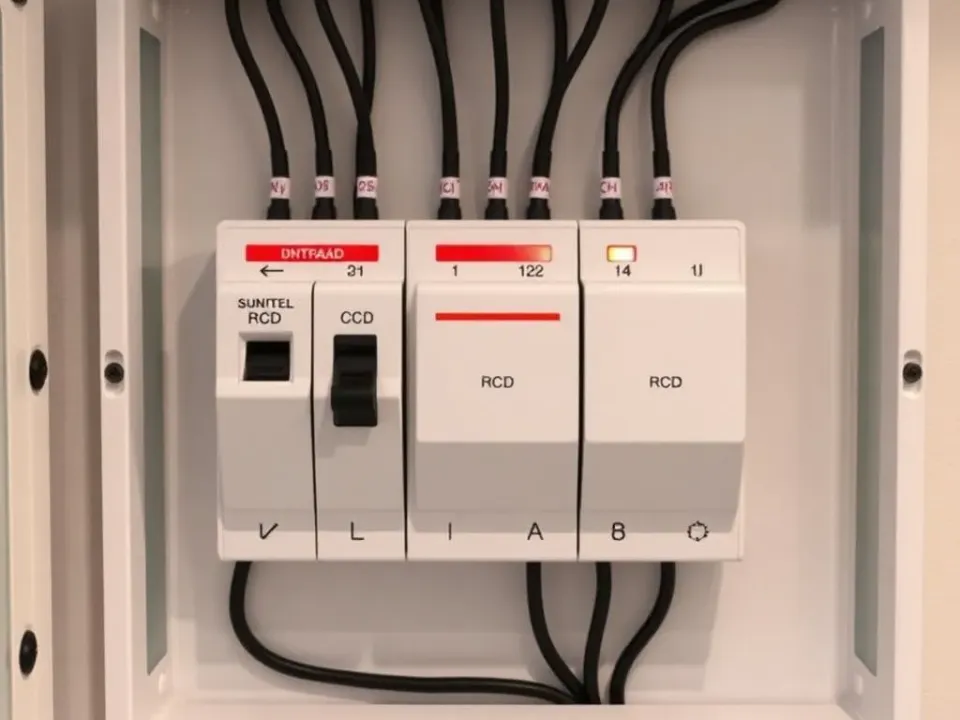
Ceramic & electric cooktops
Lighter on load than induction, but still wanting a properly sized dedicated circuit.
- Existing circuit assessed rather than assumed
- Terminations made in an accessible junction
- Benchtop cut-out coordinated with your cabinetmaker
- Circuit tested and RCD verified
-
Freestanding cookers
Oven and cooktop in one unit and one connection point, usually the tidiest job of the lot.
- Single connection point, hard-wired or dedicated outlet
- Circuit rating matched to the full appliance load
- Isolation accessible without moving the cooker
- Levelled and run up before we leave
-
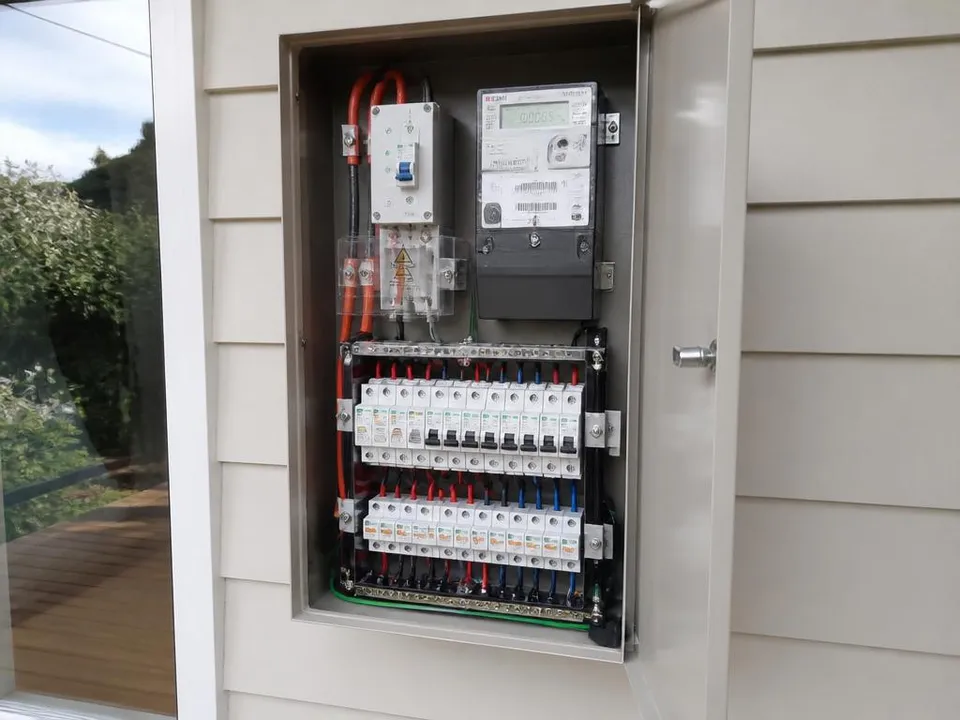
Gas to electric conversions
Increasingly common, and often a cabling job as much as an appliance one.
- New circuit run where none exists in the kitchen
- Board capacity assessed before committing
- Gas disconnection coordinated with a licensed gasfitter
- Switchboard upgrade quoted separately if needed
-
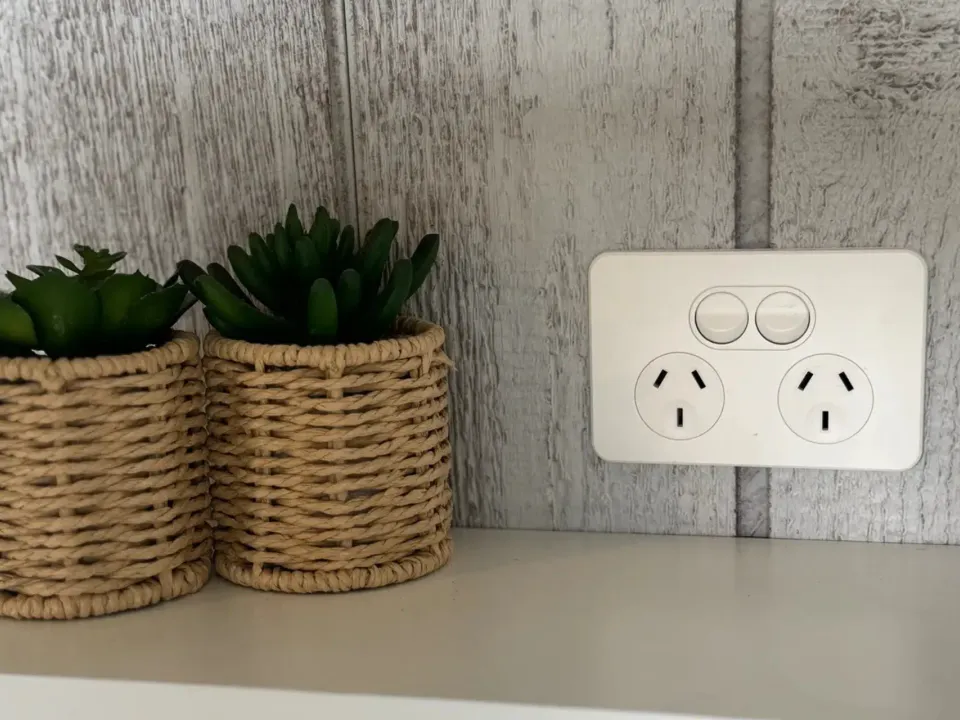
New kitchens
Set out at rough-in from the cabinetmaker’s plan, before the benchtop goes on.
- Circuits set out from the kitchen drawings
- Isolators positioned somewhere sensible
- Bench and island outlets added while walls are open
- Under-cabinet lighting run at the same time
What we install to
This is how we approach every appliance install.
- Load check
- Rating plate checked against the circuit before disconnection
- Dedicated circuit
- Sized to the load rather than to what's already there
- Protection
- Individual RCBO on the new circuit
- Isolation
- Switch reachable without pulling the appliance out
- Terminations
- Made in an accessible junction, not buried behind cabinetry
- Testing
- Circuit tested and RCD trip time verified
- Certification
- Certificate of Electrical Safety issued on completion
Signs the circuit won't carry your new appliance
Worth checking before delivery day.
- The new cooktop is induction and the old one was ceramic or gas
- The rating plate shows a higher kilowatt figure than the one coming out
- The kitchen circuit already trips occasionally under load
- There's no dedicated cooking circuit and the oven shares general power
- The switchboard is full, so there's nowhere to add a circuit
- The board is ceramic-fuse, so the board is the bigger part of the job
What's in scope
Included
- Disconnection of the old appliance
- Connection and commissioning of the new one
- Isolation switch positioned within reach
- Circuit testing and RCD verification
- Certificate of Electrical Safety
- Old appliance removal where requested
Not included
- The appliance itself
- Cabinetry modifications and benchtop cut-outs
- Gas disconnection, which needs a licensed gasfitter
- Switchboard work needed to make room for a circuit
How the job runs
-
Step 1: Site visit
We check the rating plate and your switchboard in person before quoting.
-
Step 2: Fixed quote
Connection job or cabling job, priced together on the spot.
-
Step 3: Remove the old
Isolated, disconnected and out, taken away if you’d like.
-
Step 4: Connect & test
New circuit if needed, connected, tested and RCD verified.
-
Step 5: Run it up
Appliance tested in front of you, certificate issued same day.
Compliance and sign-off
Hard-wiring an oven or cooktop is prescribed electrical work. It has to be done by a licensed electrician and it comes with a Certificate of Electrical Safety. It also matters for your appliance warranty, since most manufacturers won’t honour a claim on an appliance connected by someone unlicensed.
- Certificate of Electrical Safety issued in your name
- Appliance load verified against the circuit rating
- Individual RCBO protection on any new circuit
- Isolation point accessible and clearly identified
- Circuit tested and RCD trip time recorded
- Manufacturer warranty conditions satisfied
Recent work
-
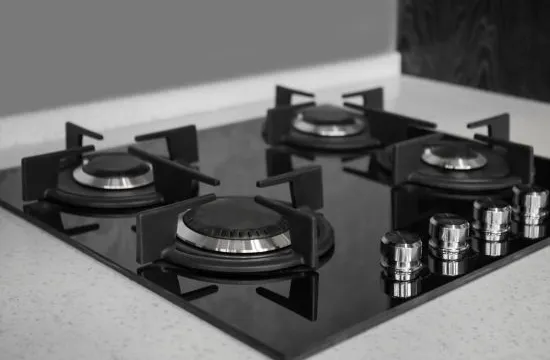
Induction cooktop circuit · Mount Eliza
-
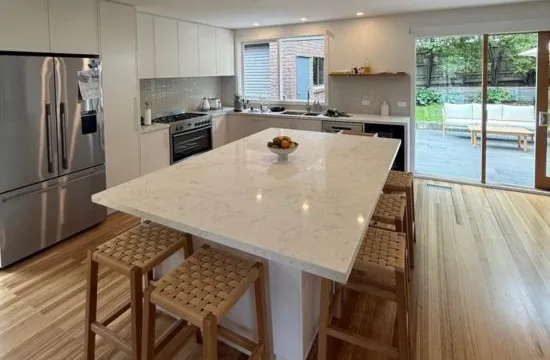
Wall oven replacement · Frankston
-
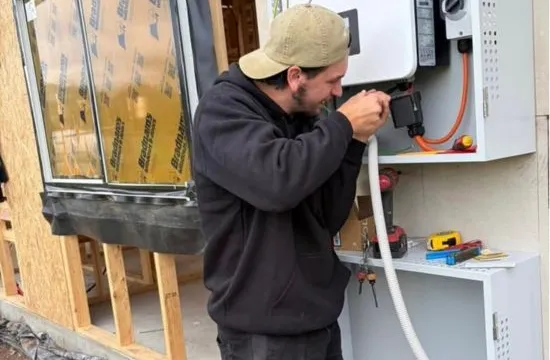
Kitchen renovation rough-in · Mornington
-
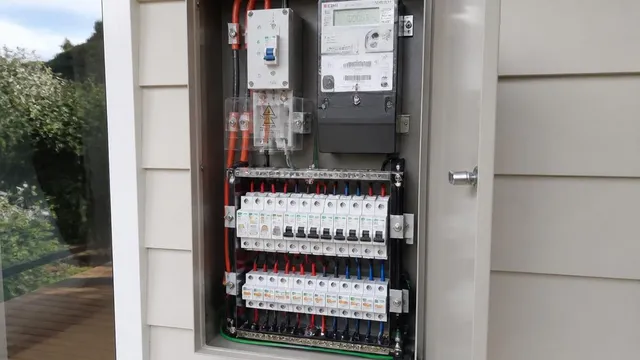
Gas to electric conversion · Somerville
Why choose Streamline
-
Checked before you buy
Send us the model and we'll tell you if your circuit will carry it.
-
Warranty protected
A licensed connection and a certificate, which is what your manufacturer requires.
-
Old one taken away
No appliance sitting in the garage for a month waiting on hard rubbish.
-
Run up in front of you
We don't leave until the appliance has been tested and works.
Oven and cooktop installation for Frankston kitchens
Streamline Electrical & Data is a Frankston-based team working across the Mornington Peninsula and south-east Melbourne. Appliance work is often the first job we do for a household, and it usually turns up alongside a few others.
Why induction is the one to check before you buy
An induction cooktop is a much better thing to cook on and a much bigger electrical load than what it replaces. Four zones on boost pulls serious current, and plenty of older homes have a cooking circuit that isn’t large enough for the new appliance. Check before the appliance is delivered, because a cooktop sitting in a box while you wait for a board upgrade is nobody’s idea of a good week.
Kitchen renovations, doing it once
If the kitchen is coming out anyway, that’s the moment to add everything you’ll want later. Extra bench outlets, under-cabinet lighting, a dedicated circuit for the coffee machine. Adding it while the walls are open costs a fraction of doing it afterwards, and it saves you booking the same trade twice.
When the board is the real job
A full or ancient switchboard turns a simple appliance connection into a two-part job. We’ll tell you at quote stage rather than on the day, and if an upgrade is needed we can usually do both in one visit rather than making you book us twice.
When a new appliance trips the power
A new oven that trips the board is often exposing a circuit that was already marginal, or a fault the old appliance never drew enough current to reveal. It’s worth having it tested properly before you send the appliance back as faulty, because the appliance usually isn’t the problem.