Solar & Battery
Solar panels, home batteries and EV chargers, designed and installed by your local electricians.
Explore
Energy Safe Victoria recommends that every rooftop solar system is serviced at least once every two years by a licensed A-grade electrician. We test the whole system, roof to switchboard, and give you a written report of what we checked, what we found and what we fixed. Any brand, any installer.
★★★★★
“I would recommend Streamline to anyone putting on solar panels coupled to a battery. Nick and his experienced team of three work closely together to get the maximum benefit for the customer and readily offer advice on any aspect of the installation before and after. Excellent workmanship. Graeme Black Rock.”
Graeme Mee, Google review Read it on Google
Panels, isolators, connectors and cable sit through summer heat, winter rain and wind for twenty years or more. Seals harden. Water gets into the roof isolator. Plugs work loose. Cable insulation perishes in the sun. None of it shows from the ground, and the system keeps running while it happens.
Energy Safe Victoria, the state’s electrical safety regulator, recommends a service at least once every two years by a licensed A-grade electrician. A service is electrical testing, not a wash. Someone qualified checks every part of the system and tests it.
Installed before 2022? Most systems installed before 2022 have a DC isolator on the roof. Energy Safe Victoria’s audits found moisture getting into that isolator was a major cause of solar fires. Newer rules no longer require it, but the ones already on roofs stay there and need checking. If you do not know when your system was last serviced, it is due.
Every part of the system, roof to switchboard, inspected and tested by a licensed A-grade electrician. You get a written report at the end.
The DC isolator is opened, checked for water, corrosion and cracked seals, and tested. This is where most solar fires start.
Cracks, chips, snail trails, discolouration and burn marks. Hail damage. Frames, clamps and rails tight. Roof penetrations and flashings sound.
Sun damage, chafing and loose plugs. Conduit intact. Rodent damage. Every cable secured and clear of the roof surface.
Fault log read. Operation checked. Heatsinks and vents clear. AC isolator and earth tested. Nothing stored against it.
Insulation resistance and earth continuity. Open-circuit voltage and operating current on every string. Polarity. Shutdown and restart.
Leaf litter, nests and rubbish cleared from under the panels and around the inverter. Vents left clear.
Shutdown procedure, switchboard and isolator labels present and readable. Isolator switches reachable.
Monitoring connected and reporting. Output compared with what a system of that size should make at this time of year.
What was checked, what was found and what was fixed, with the test results. Repairs quoted separately and done only with your OK. A Certificate of Electrical Safety for any repair.
The regulator’s own figures on older rooftop systems.
Do not wait two years if:
If you see smoke or flames, call 000. If you smell burning or hear crackling, switch the system off using the shutdown procedure on the label at your inverter, then call us on 0434 402 561.
Tell us the system size, the inverter brand and the year it went in if you know them. We come back with a fixed price and a date.
Isolators opened and tested, panels, mounting, cabling and connectors inspected, debris cleared.
Fault log read, AC isolator and earth tested, insulation and string tests. The system is off for part of this.
What was checked, found and fixed, with the test results. Any repair is quoted separately.
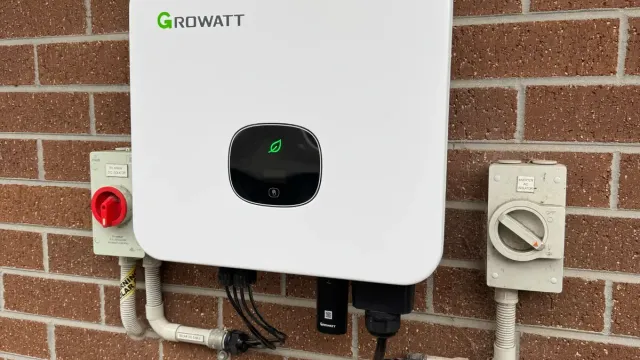
Growatt inverter · neat and labelled
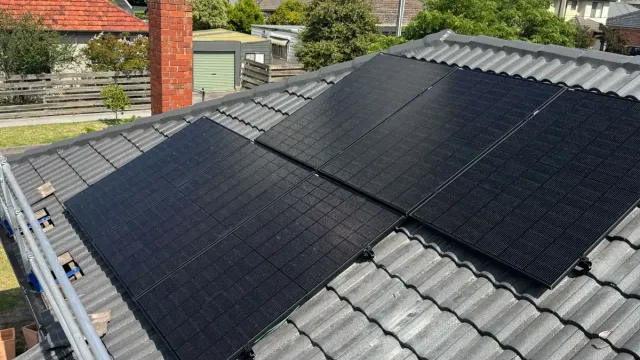
All-black panels · grey tile roof
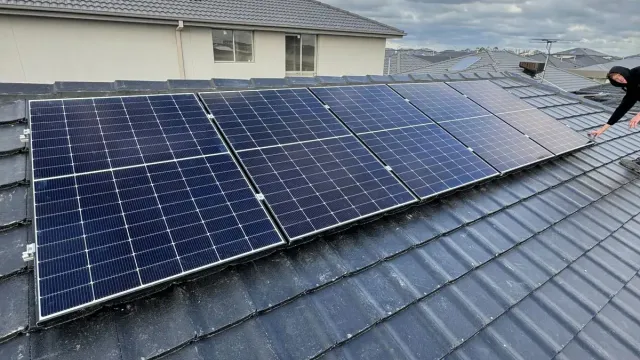
Concrete tile roof
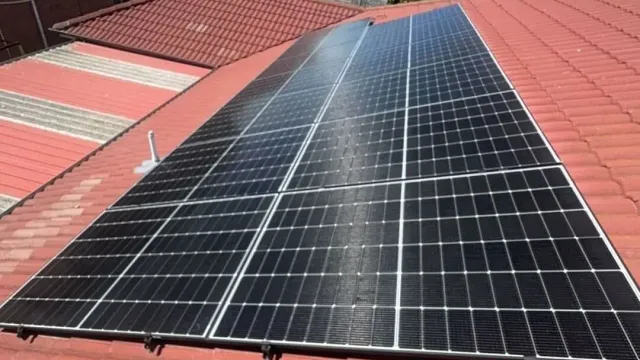
Terracotta tile roof
CCTV install of a PoE ubiquiti system. Very reasonable quote, good communication prior. They arrived when they said they would and did a great job. They also followed up, came back and rectified slight issue with install with camera placement. No complaints at all, they’re a good team of people, would easily recommend. Thanks
Nick & his apprentice came out to fix a faulty power socket. They kept me informed on when they would arrive, they fixed the problem no worries and even followed up to check I was happy with the job. From my initial call to reception to the completion of the job I couldn't be happier with their service. Thank You!
Excellent service, very knowledgeable. Happy and goes the extra mile for you. Can’t recommend them enough. Will be using them again very soon. If you need an electrician use this one.
Very happy with the service from streamline electrical. Nick did a great job, very thorough and checked in regularly to make sure it matches my expectations. Would happily recommend.
Nick was punctual, friendly & helpful. He answered all my questions while on site & was quick to respond to my follow up queries.
I would recommend Streamline to anyone putting on solar panels coupled to a battery. Nick and his experienced team of three work closely together to get the maximum benefit for the customer and readily offer advice on any aspect of the installation before and after. Excellent workmanship. Graeme Black Rock.
A solar system does not stop working when a part fails. It keeps running with the fault until the fault becomes something worse. These are the things a two-yearly service is there to catch.
Energy Safe Victoria records solar-related house fires in Victoria every year. Its audits found a major cause was moisture getting into the DC isolator, the switch mounted on the roof beside the panels. A wet isolator can arc and burn. Systems four years or older are about one in five of all rooftop systems and almost two-thirds of the fires.
Plugs and terminals go through twenty summers of heating and cooling. They work loose. A loose DC connection heats up and arcs, and nothing in the house trips. A service finds it by hand, one connector at a time.
Brown or grey lines under the glass, the shape of a snail’s track, follow micro-cracks in the cells. Those cells are failing. They run hotter than the rest of the panel, and a hot spot can burn through the back of the panel. From the ground it looks like a mark on the glass.
Hail cracks cells under glass that looks fine from the driveway. The damage shows up later as snail trails, hot spots and lost output. After a hail storm, a check and a written report are also what an insurance claim needs.
Leaf litter collects under the panels and against the inverter where nobody looks. It holds water against the frames and the cabling, blocks the inverter’s vents and sits as dry fuel next to hot gear. Birds nest under panels too.
A failed panel string, a tripped isolator or an inverter fault cuts your output. Nothing in the house changes, so nobody notices. Most people find out when the bill goes up.
Panel warranties run for decades and inverter warranties for years. A fault logged in a service report, with test results and a date, backs a claim. A fault nobody recorded is your word against the manufacturer’s.
Panel cleaning alone is not an electrical safety check. Done badly it pushes water into tired components and raises the fire risk. Only a licensed electrician can find and fix an electrical fault. Energy Safe Victoria warns about operators who sell a wash as a service.
Solar panels, home batteries and EV chargers, designed and installed by your local electricians.
ExploreSingle-phase and three-phase smart chargers, with the switchboard work to do it safely.
ExploreBoards with spare ways for solar, a battery or an EV charger, safety switches on every circuit.
ExploreThe two-yearly check for rentals, and the same inspection for buyers, sellers and older homes.
ExploreThen it is due. Call Nick and book it in. You get a fixed price before anyone goes on the roof.